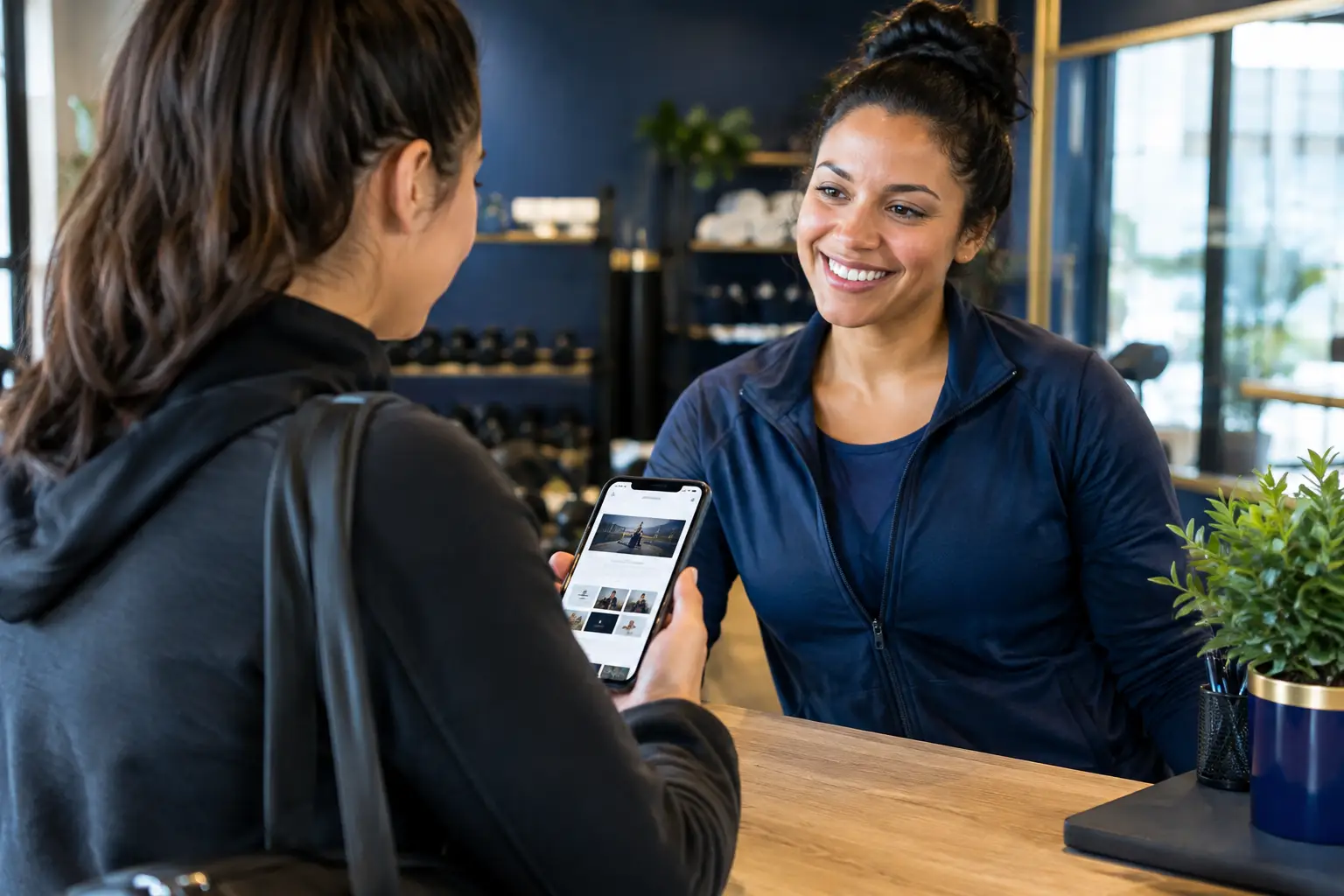
A person fills out your trial form at 6:12 p.m. You are helping members, cleaning up, or driving home. By morning, that message is buried under calls, texts, and staff questions. That is the real problem behind how to revive gym leads. Most old leads did not say no. They got no clear answer when they were ready to talk.
A lead list is not a list of failures. It is a list of people who raised a hand. Some asked about class times. Some wanted to know the price. Some had a simple question about child care, parking, or getting started. They may still need what you offer. They just moved on because another place answered first.
The goal is not to chase people. It is to make it easy for the right people to come back.
How to revive gym leads without sounding desperate
Start by looking at the message they sent. Do not treat every person the same.
Someone who asked about a beginner class needs a different reply than someone who asked about membership. A parent asking about a youth program needs different details than a person looking for early morning sessions. Read the original question before you send anything.
Then send a short message that sounds like a person wrote it. Use their name. Answer the question they already asked. Give one simple next step.
A good message might say: “Hi Sam, you asked about our beginner classes. We have a few times that may work for you. Want us to send them over?”
That is enough. It does not push. It does not dump a page of prices, rules, and links into their phone. It opens the door again.
If they asked for pricing, be plain. Do not make them work to get a basic answer. You can explain that price depends on the plan they choose, then offer to send the options or set a time to talk. People can tell when a business is trying to hide the simple part.
The best reply is usually the one that removes the next question from their mind.
Sort the list before you contact people
Do not pull every old name into one large message. That makes the reply vague, and vague messages get ignored.
Break the list into small groups based on what each person wanted. You may have people who asked about a first visit, a membership, personal training, youth classes, or a special program. You may also have people who called but never got a return call.
Start with the people who reached out most recently. Their reason for looking may still be fresh. Then work backward in smaller groups. Some older messages will be cold. That is normal. A quiet person is not always a lost person, but you should not keep sending messages after they have clearly moved on.
Keep the record simple. Note the person’s name, what they asked, when they reached out, and whether they answered. If they say they are not interested, respect it and stop. A clean list is more useful than a large, messy one.
This also shows you where the problem starts. If many people asked the same question and never heard back, that question belongs on your website and in your first reply.
Give every lead one easy next step
A revived lead should not have to guess what to do next. Pick one action that fits the message.
For one person, that may be choosing a time to visit. For another, it may be getting a class schedule by text. For a parent, it may be asking a quick question before bringing in a child. Keep the choice small.
Too many choices slow people down. “Let us know if you have questions” is polite, but it puts all the work back on them. A better close is, “Would Tuesday evening or Thursday morning be better for a visit?” Or, “Want us to text the class times?”
Those questions are easy to answer while someone is at work, in a car, or standing in a grocery line.
If they reply, answer while the conversation is still active. The person is telling you they are ready to talk. A long delay can turn a warm reply into another old lead.
Use follow-up to be helpful, not noisy
One message will not reach everyone. People miss texts. They get busy. They mean to reply and forget.
A second follow-up can be useful when it adds something helpful. You might send a new class time, answer a common question, or remind them that they can pick a time to stop by. Keep it brief.
For example: “Hi Sam, checking back on the beginner class question. We added an evening option. Want the times?”
That is better than sending “Just following up” with nothing else. Give them a reason to respond.
It depends on the lead and the kind of program you run. A person asking about a near-term event may need a quick answer that day. A person asking about a general membership may take longer. Watch the messages. Let the person’s interest guide the pace.
Do not turn follow-up into a string of reminders. If there is no reply after a reasonable attempt, leave the door open and move on. Your time belongs with the people who are talking to you now, too.
Fix the reason leads went quiet
Reviving old leads matters. Preventing the next batch from going quiet matters more.
Look at how people contact you after hours. Can they find the class schedule on a phone? Can they ask a question by text? Does the form tell them what happens next? When someone calls while you are on the floor, do they get an answer or do they hear silence?
Your website should do more than show photos and a map. It should answer the questions people ask before they visit. It should make contacting you simple. When you are busy, it should help carry the conversation forward instead of leaving a person waiting.
That does not mean every question needs a long page. It means the basics should be clear: what you offer, who it is for, where you are, how to get started, and how to reach you. The person should not need to hunt for a phone number or wait until business hours to ask a simple question.
NLG builds sites for local owners that answer calls, texts, and form messages when the owner is busy. The goal is plain. A person reaches out, gets an answer, and has a clear way to book or visit. Everything lands in one inbox, so messages do not disappear between the front desk, a personal phone, and an old email account.
Let your team use the same simple answers
If more than one person helps answer messages, agree on the basic replies. Not a long script. Just clear answers for the questions that come up every week.
What does a first visit look like? What should someone bring? Which class is best for a beginner? Are there options for kids? Where should they park? How can they book?
When those answers are ready, staff can respond with confidence. More important, the lead gets the same clear information no matter who sees the message first.
Review the questions once in a while. If people keep asking something, your site or first reply may be missing it. Small fixes can keep a simple question from becoming a lost conversation.
Old leads are worth a careful look. But the better system is one that catches the next message before it becomes old. If you want to see what your site may be costing you, request a free website check at nlegacygroup.com. We will look at it on a phone and a computer beside top local competitors, then show you what needs attention.